


Drug Trafficking Laws in Wake County: What You Need to Know
Drug trafficking is one of the most serious types of drug charges that a person can face in North Carolina. A conviction can result in jail time, hefty fines, and a criminal record that will haunt your future for years to come. If you are under investigation or have already been charged, speaking with a Wake County drug trafficking lawyer as soon as possible can be very important.
Many people think drug trafficking charges only apply to large drug operations or organized crime groups. In reality, North Carolina law allows trafficking charges based mainly on the amount of drugs involved. A person may face trafficking charges even if police never prove the drugs were being sold.
What Is Drug Trafficking Under North Carolina Law?
In North Carolina, drug trafficking usually depends on the weight or amount of a controlled substance. Certain amounts automatically trigger trafficking charges. Charges can involve drugs such as cocaine, heroin, methamphetamine, fentanyl, marijuana, and prescription drugs.
A person may be charged with trafficking for:
- Selling drugs
- Delivering drugs
- Transporting drugs
- Manufacturing drugs
- Possessing a large amount of drugs
Usually, prosecutors don’t have to prove that a person intended to sell the drugs. Possessing an amount that meets North Carolina’s trafficking threshold for a particular drug may be enough to support a trafficking charge.
Why Drug Trafficking Charges Are So Serious
North Carolina has very strict penalties for many drug trafficking charges. In many cases, the law requires a minimum prison sentence, which means the judge may have little discretion over the punishment. Depending on the type of drug and how much was involved, a person could face years in prison if convicted.
A trafficking conviction can also cause many other problems. A person may have to pay large fines, follow strict probation rules, lose a professional license, or have trouble finding a job or housing. For people who are not U.S. citizens, immigration problems may also happen. Some people may also lose their right to own firearms. Even someone with no prior criminal record can face very serious penalties if the amount of drugs is high enough.
How Drug Trafficking Investigations Begin
Drug trafficking investigations can be a long process before an arrest happens. Police may use traffic stops, confidential informants, surveillance, phone records, or search warrants in an investigation. Occasionally, state and federal agencies collaborate.
Officers can also search homes, vehicles, telephones, or other property for drugs, money, weapons, or communication records. What you say when questioned can later be used as evidence in court.
A lot of people don’t realize that they’re making their situation worse by talking too much to investigators. Attempting to explain things without legal advice can cause problems later on in the case.
Defenses to Drug Trafficking Charges
Every case is different, and the best defense depends on the facts. Sometimes the question is whether or not the drugs were actually in the accused person’s possession. In some cases, the major issue could be illegal searches, unreliable evidence, or mistakes made during the investigation.
Potential defenses include:
- The drugs didn’t belong to the accused
- Police violated constitutional rights during a search or arrest
- The amount of drugs was measured incorrectly
- The accused didn’t know the drugs were present
- Witnesses or informants are unreliable
- Evidence was mishandled or improperly tested
In order to build a strong defense, police reports, lab reports, body camera footage, search warrants, and witness statements must be reviewed.
State Charges vs. Federal Charges
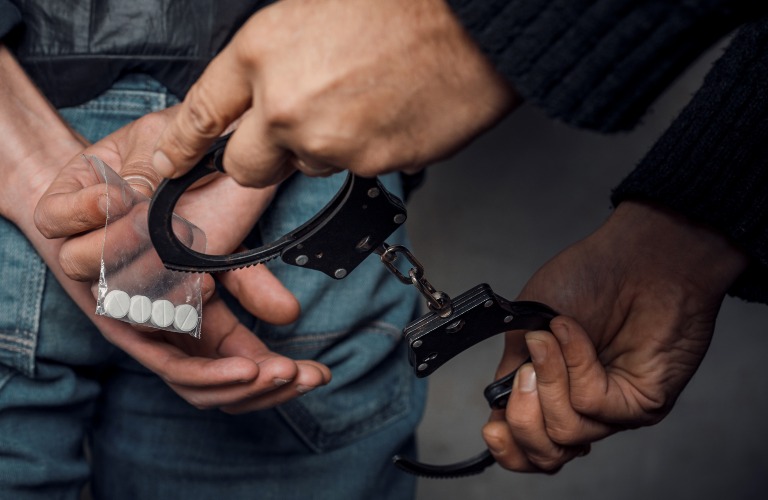
Some trafficking cases are prosecuted in state court, some in federal court. Federal drug trafficking charges are generally more serious and carry longer prison sentences.
Federal prosecutors are often called in for cases involving large quantities of drugs, interstate activity, firearms, or organized groups. Early legal representation can be particularly important because federal cases have different rules and procedures.
Discuss Your Case With an Attorney
Drug cases move quickly, and prosecutors usually begin assembling their case as soon as an arrest is made. Important evidence may have to be examined promptly. Sometimes a defense lawyer may negotiate for lesser charges or challenge evidence before trial.
A Wake County drug trafficking lawyer can review the facts, explain what could happen, and help you protect your rights as you navigate the criminal process. The sooner a defense strategy is formulated, the better the prospects of finding weaknesses in the prosecution’s case.
If you’ve been charged with drug trafficking in North Carolina, please call Ryan Willis Law, PLLC at (919) 341-6294 or fill out the contact form on our website to schedule a consultation with a Wake County drug trafficking lawyer.
